
The Dukovany–Brno hot pipeline project is receiving significant support from the European Union. The ambitious initiative will bring energy self-sufficiency, environmental benefits, and heat price stability to the residents of the Moravian capital. These key arguments were presented at a roundtable meeting in Brussels in November, where members of the management of Teplárny Brno and ČEZ met with representatives of the European Commission and Czech MEPs.
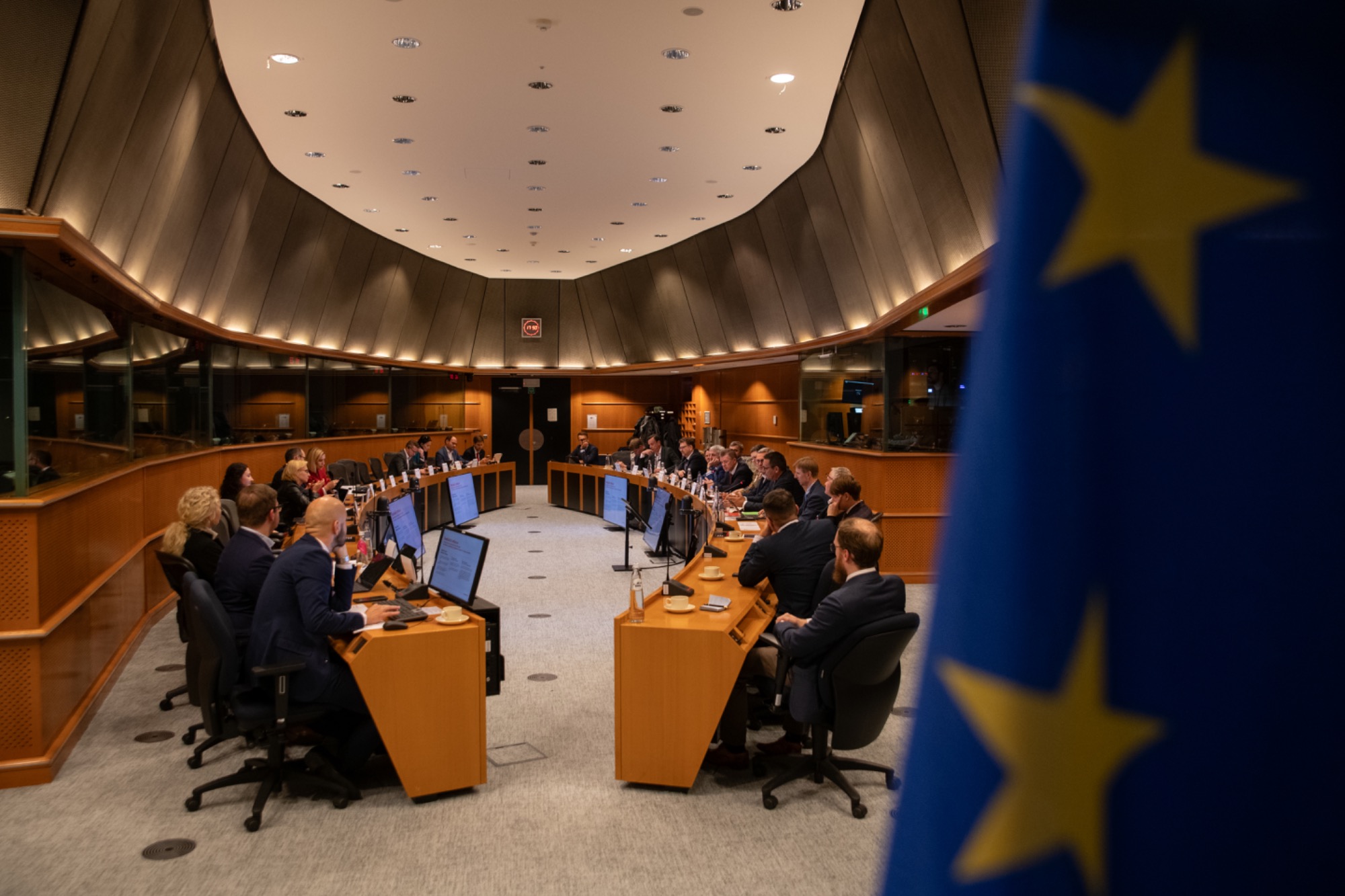
Teplárny Brno, the project’s main investor, is actively negotiating the parameters and securing subsidies for financing. The CEO of Teplárny Brno, Petr Fajmon, highlighted that the project’s aim is to reduce Brno's reliance on gas and other fossil fuels, stabilize heating costs for households, and reduce CO2 production. "Heat from Dukovany will be unaffected by natural gas price fluctuations, ensuring a stable price for Brno households," Fajmon said.
The negotiations in Brussels confirmed the long-standing support for the project among political leaders both in the Czech Republic and the European Parliament. The project of the Dukovany–Brno hot pipeline aligns with the state energy strategy and corresponds to the long-term goals of the European Union in energy and ecology.

MEP Ondřej Krutílek (ODS) emphasized that using emission-free nuclear energy for district heating is an innovative and unorthodox solution that can serve as a model for other European partners relying on nuclear power.
The Dukovany–Brno hot pipeline project presents a step towards energy self-sufficiency and sustainability and a significant contribution to decarbonization and stabilization of heating prices for Brno households. In 2017, the city joined the EU Covenant of Mayors for Climate & Energy, committing to reducing CO2 emissions by at least 40 percent by 2030.